
Community
Ohio officials prepared for large voter turnout
By Lila Washington
Advertisement · Why this ad?
Sofia Patel, a Columbus native and graduate of Kenyon College, has spent 5 years delving into community issues and human-interest stories. She has contributed to various neighborhood publications and is passionate about shedding light on the diverse voices within her city.
More from Sofia →
As the sun began to rise over Columbus, the anticipation in the air was palpable. Residents gathered at local coffee shops, exchanging thoughts and hopes for the future as they prepared to cast their votes in the 2026 midterm elections. For many, this day represents more than just a chance to select leaders; it embodies the essence of civic duty and the power of community engagement.
Election Day for the 2026 midterms is set for November 8, 2026, and voters across Ohio will have the opportunity to shape the future of their state and nation. Polling places will open at 6:30 a.m. and close at 7:30 p.m., allowing ample time for residents to participate in this vital democratic process. Local election officials encourage voters to check their registration status ahead of time, ensuring a smooth voting experience.
Live election results will be available on NBC4 Columbus, with coverage beginning at 7 p.m. on their streaming channel. This coverage will not only include statewide races but also local contests across 21 central Ohio counties, highlighting the importance of every vote in shaping local governance.
As Ohioans prepare to head to the polls, several key races and issues are capturing the attention of voters. The gubernatorial race is particularly significant, as it will determine who will lead the state through the next four years. Current Governor Mike DeWine is expected to seek re-election, and his policies on education, healthcare, and economic development will likely be at the forefront of voters' minds.
Additionally, Ohio's congressional seats will be contested, with all 16 districts up for grabs. This election cycle is crucial as it could shift the balance of power in Washington, D.C. Voters will also weigh in on important ballot measures, including potential amendments related to education funding and public health initiatives.
Local communities will feel the effects of statewide decisions made during this election. For instance, issues surrounding school funding and infrastructure development are expected to resonate deeply with families in Columbus and beyond. Parents like Jessica Thompson, a mother of three, expressed her concerns, saying, "We need leaders who prioritize our children's education and ensure that schools are adequately funded. Our kids deserve the best opportunities we can provide them."
The impact of these decisions is particularly significant in Columbus, where schools have been grappling with funding disparities that affect educational quality. Many parents and educators are advocating for increased investment in public education, noting that adequate funding can lead to better resources, smaller class sizes, and more extracurricular activities. Local advocacy groups, such as the Columbus Education Association, are mobilizing to ensure that education remains a top priority for candidates.
Voter turnout is a critical factor in determining the outcome of elections, and Ohio has seen varying levels of engagement in past midterms. In 2022, turnout was approximately 50%, a figure that local organizations are striving to increase in 2026. Community leaders are mobilizing efforts to encourage participation, emphasizing the importance of every voice being heard.
Organizations such as the National Association of Secretaries of State are providing resources to help voters understand their rights and the voting process. Initiatives aimed at educating young voters and first-time participants are also gaining momentum, as advocates believe that empowering the next generation is essential for a healthy democracy.
In Columbus, local organizations like the League of Women Voters are hosting workshops and forums to engage residents in discussions about the issues at stake. These events not only inform voters about the candidates but also foster a sense of community and shared responsibility. As one volunteer, Mark Jensen, noted, "It's about creating an informed electorate. When people understand the issues, they're more likely to vote and make their voices heard. This is our future we're talking about."
As Election Day approaches, various resources are available to assist voters in navigating the process. The Ohio Secretary of State's website offers comprehensive information on polling locations, registration deadlines, and voting methods. Voters can also access sample ballots to familiarize themselves with the candidates and issues before heading to the polls.
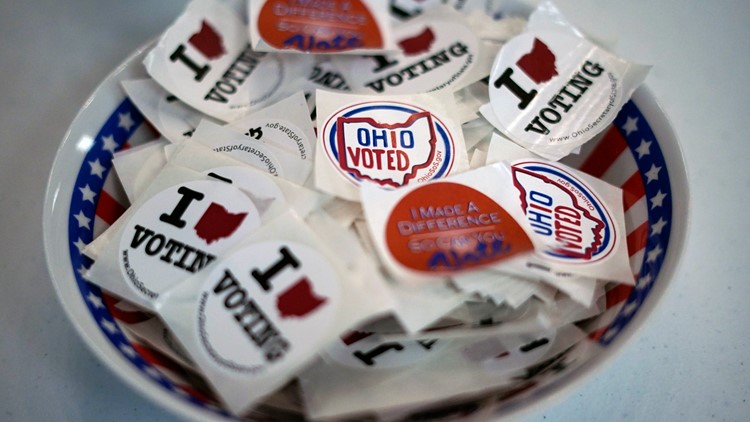
Local libraries and community centers are hosting informational sessions, providing a space for residents to ask questions and learn about the voting process. These initiatives reflect a commitment to fostering an informed electorate, which is vital for the health of our democracy. Additionally, many local businesses are offering incentives, such as discounts or free coffee, to those who show their voting sticker, further encouraging participation.
The 2026 midterms present an opportunity for Ohioans to express their values and priorities through their votes. With key races and issues at stake, the decisions made on November 8 will have lasting effects on the community and the state as a whole. As residents prepare to cast their ballots, the hope is that they will do so with a sense of purpose and commitment to the future.
As families gather around the dinner table to discuss their voting choices, there is a shared understanding that these elections are about more than just individual candidates; they are about the kind of community they want to build together. The heart of Columbus lies in its residents, and their collective voices will shape the path forward. Community leaders emphasize that this election is not just about immediate issues but also about setting a precedent for future generations. The choices made today will influence the educational opportunities, healthcare access, and economic stability for years to come.
Moreover, as Ohio continues to evolve, issues like climate change, healthcare reform, and social justice are becoming increasingly prominent in the political discourse. Voters are encouraged to consider these broader implications as they head to the polls, understanding that their votes contribute to a larger narrative about the values and priorities of their community. The outcome of this election will resonate far beyond November 8, shaping the policies and direction of Ohio for years to come.
By Lila Washington

By Sofia Patel

By Lila Washington
By Lila Washington