
Government
Columbus City Council Issues 8 and 9: live results
By Carmen Reyes
Advertisement · Why this ad?
Carmen Reyes has over 15 years of experience covering local and state government for outlets like the Columbus Dispatch and NPR's Ohio affiliate. She holds a Bachelor’s degree in Political Science from Ohio State University and has been recognized with several awards for her investigative reporting on public policy issues affecting the community.
More from Carmen →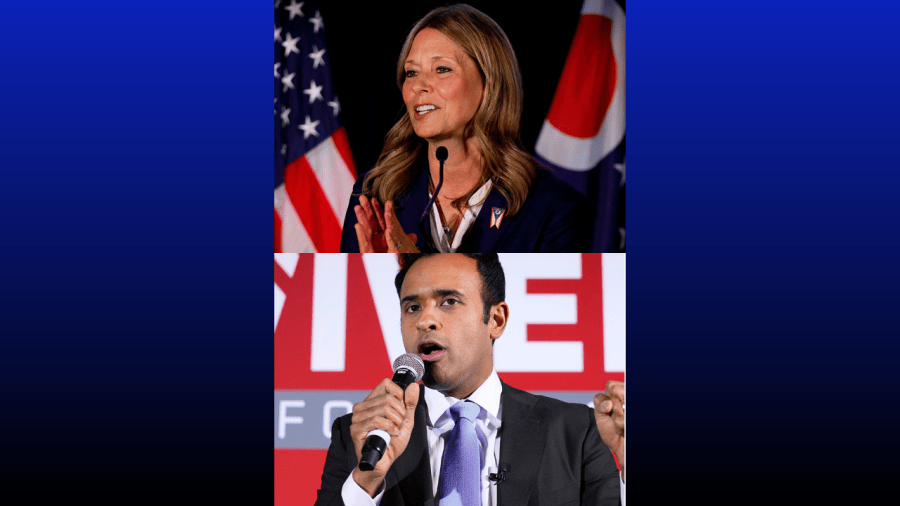
As the sun set over Columbus on election night, the atmosphere was electric. Supporters of both candidates gathered in packed venues, their faces lit by the flickering glow of television screens broadcasting live results. Among them, Amy Acton, the former Ohio Department of Health director, stood poised, embodying a blend of determination and hope. Across town, Vivek Ramaswamy, the entrepreneur and political newcomer, radiated confidence as he addressed his supporters, promising a new direction for Ohio. The stakes were high, and the air was thick with anticipation as Ohioans cast their votes for their next governor.
On Tuesday, Ohioans took to the polls to decide between Amy Acton and Vivek Ramaswamy in a race that has captured national attention. With Acton representing a more traditional Democratic stance and Ramaswamy positioning himself as a fresh, conservative voice, the election highlighted the diverging paths Ohio could take in the coming years. As the results began to roll in, it became clear that this was not just a local election; it was a referendum on the state’s future direction, reflecting broader national trends.
By the end of the night, voters had cast their ballots in a race that saw a record turnout, with early voting numbers indicating a strong engagement from the electorate. The Ohio Secretary of State reported that over 3 million ballots were cast, a significant increase compared to previous gubernatorial elections. This surge in participation underscores the growing importance of state leadership in addressing critical issues such as healthcare, education, and economic recovery.
The backdrop of this election was shaped by a myriad of factors, including the ongoing recovery from the COVID-19 pandemic and the economic challenges that have arisen in its wake. Amy Acton, who gained prominence during the pandemic for her public health leadership, campaigned on a platform of restoring trust in government and prioritizing public health initiatives. She emphasized the need for equitable healthcare access and robust educational resources, aiming to connect with families feeling the strain of recent challenges.
In contrast, Vivek Ramaswamy, a self-made entrepreneur, positioned himself as an outsider ready to disrupt the political status quo. His campaign resonated with voters seeking change, particularly those frustrated by traditional political dynamics. Ramaswamy focused on economic revitalization, promising to cut taxes and reduce regulations to spur job growth. His message appealed to many Ohioans eager to see a revitalized economy that could support families and foster community stability.
Throughout the campaign, several key issues emerged as focal points for both candidates. Education reform was a significant topic, with Acton advocating for increased funding for public schools and Ramaswamy pushing for school choice options, including charter schools and vouchers. Both candidates recognized the importance of education in shaping Ohio's future, but their approaches reflected differing philosophies on how best to achieve educational excellence.
Healthcare also remained a pivotal issue, particularly in light of the pandemic's impact. Acton’s experience in public health positioned her as a strong advocate for expanding healthcare access, while Ramaswamy emphasized personal responsibility and market-driven solutions. This divergence in healthcare philosophy highlighted the broader ideological divide between the candidates and their supporters.
The implications of this election extend far beyond the political arena; they touch the lives of everyday Ohioans. Families are concerned about the future of their children's education, access to affordable healthcare, and economic opportunities. As the results came in, it was clear that the outcome of this election would shape policies affecting these critical areas.
For many voters, the choice between Acton and Ramaswamy represented more than just a preference for one candidate over another; it was a decision about the type of community they wanted to foster. Supporters of Acton often cited her empathetic leadership during the pandemic, while Ramaswamy’s backers praised his entrepreneurial spirit and vision for a prosperous Ohio. Each candidate's platform resonated with different segments of the population, reflecting the diverse needs and aspirations of Ohioans.
As the night unfolded, voices from the community echoed the sentiments of their chosen candidates. A local teacher expressed her hope for Acton, stating, "We need someone who understands the challenges our schools face and will prioritize funding for our children’s education." Meanwhile, a small business owner shared his support for Ramaswamy, saying, "We need fresh ideas to help our businesses thrive and create jobs for our families. It’s time for a change." These personal stories illustrate the human impact of this election and the deep connections voters have to the issues at stake.
As the final votes were tallied and the results confirmed, both candidates prepared to address their supporters. For Acton, a victory would mean a mandate to implement her vision for a healthier, more equitable Ohio. For Ramaswamy, a win would signal a shift towards conservative governance, promising to reshape the state’s economic landscape.
Regardless of the outcome, the race has ignited a sense of civic engagement among Ohioans, encouraging many to become more involved in local governance and community issues. The conversations sparked during this election will likely continue as residents navigate the challenges ahead, emphasizing the importance of participation in democracy.
As Ohio moves forward, the elected governor will face significant challenges, including addressing the ongoing pandemic recovery, improving educational outcomes, and revitalizing the economy. The decisions made in the coming months will have lasting implications for families and communities across the state. Local leaders and organizations will play a crucial role in supporting these initiatives, ensuring that the voices of constituents are heard in the decision-making process.
Local leaders, including mayors and community organizers, are already preparing to engage with the incoming administration. For instance, Columbus Mayor Andrew Ginther emphasized the need for collaboration, saying, "No matter who wins, we must work together to address the pressing issues facing our communities, from public safety to housing stability." This sentiment resonates with many who believe that bipartisan efforts will be essential in moving Ohio forward.
Additionally, grassroots organizations are mobilizing to ensure that their priorities are addressed in the new administration. Groups focused on education equity, healthcare access, and economic development are already planning advocacy campaigns to keep the pressure on elected officials. Their involvement will be critical in shaping policies that reflect the needs of all Ohioans, particularly marginalized communities who often bear the brunt of systemic inequities.
In conclusion, the Ohio gubernatorial race between Amy Acton and Vivek Ramaswamy has not only highlighted the political landscape of the state but has also underscored the importance of community engagement and the impact of leadership on everyday lives. As Ohioans reflect on the results, they are reminded that their voices matter and that the path forward requires a collective commitment to building a brighter future for all.
By Carmen Reyes

By Carmen Reyes
By Carmen Reyes

By Sophie Chen