Community
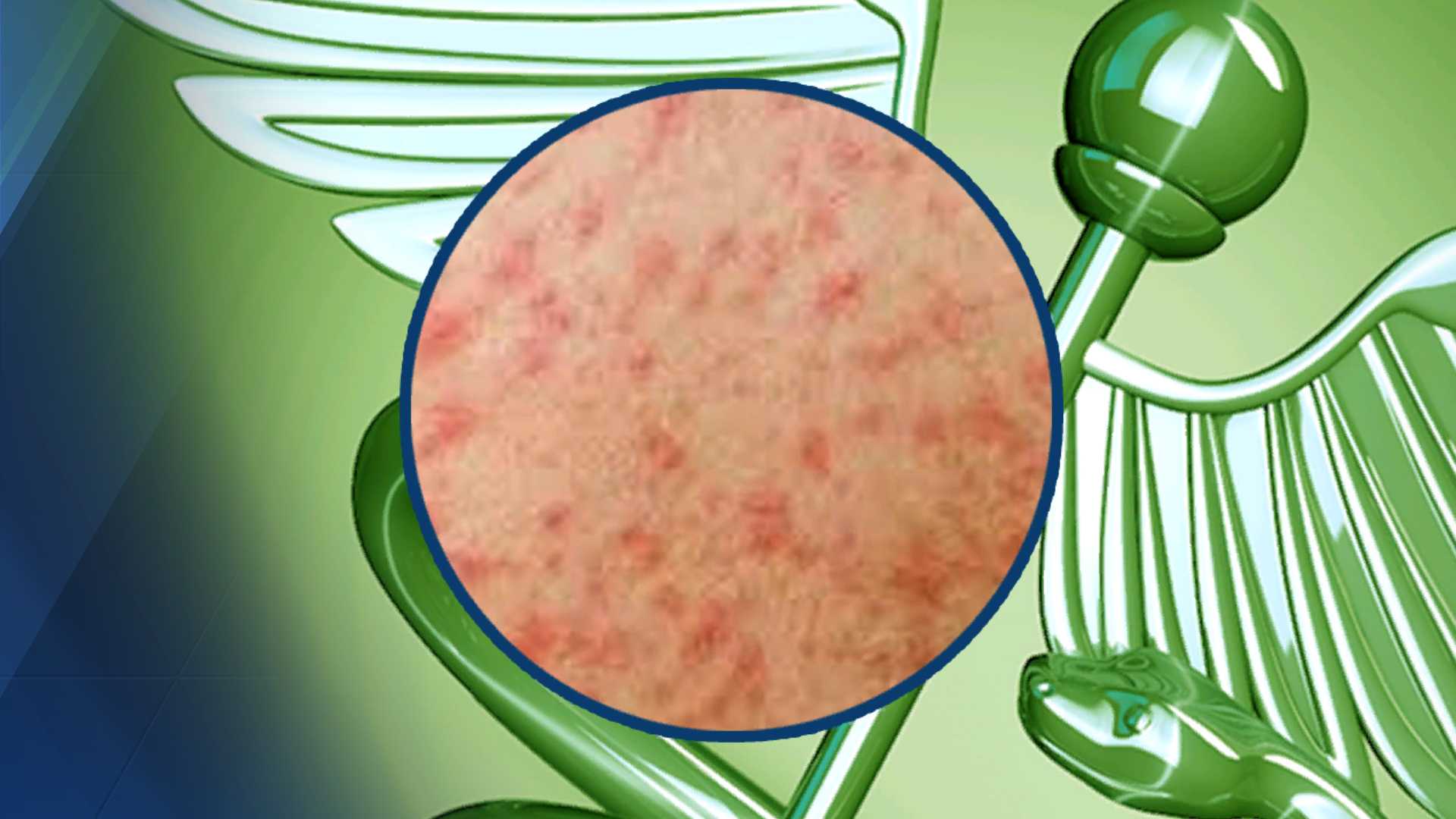
Wisconsin infant dies of measles, the third measles-related death this week in the US
By Evan Fields
Advertisement · Why this ad?
Julia is a Cincinnati native with a strong passion for local issues, having spent the last three years writing for Cincinnati Magazine. She studied Journalism at the University of Cincinnati and focuses on neighborhood stories that inspire community engagement and action.
More from Julia →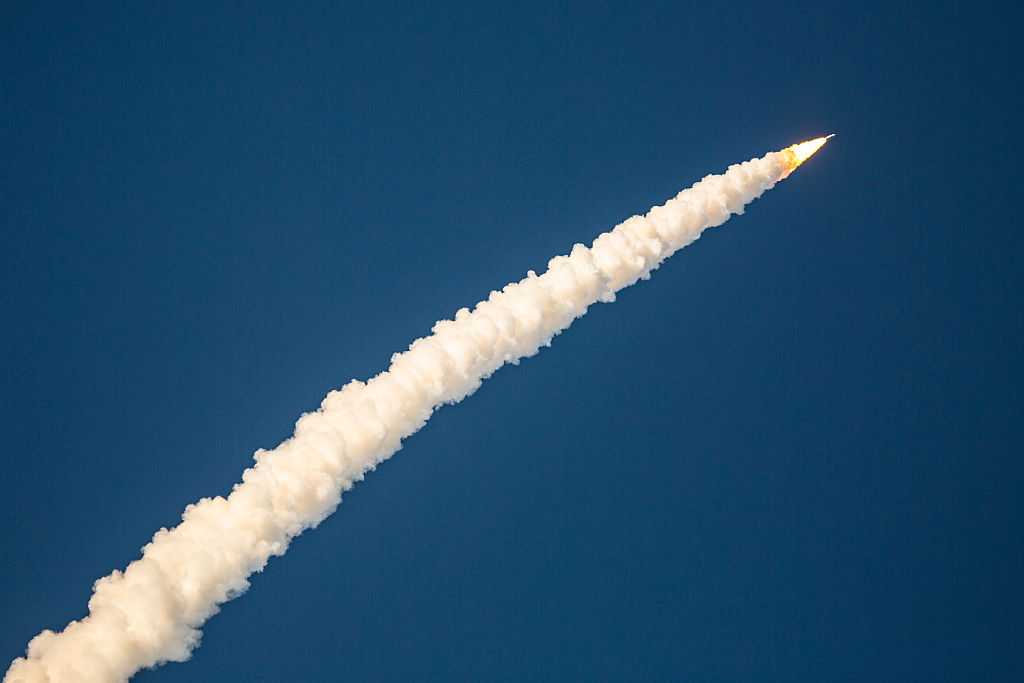
Artemis II punched holes in atmosphere and affected GPS systems, study says Advertisement Updated: 6:26 PM EST Nov 5, 2026 Editorial Standards ⓘ Matt Maielli Copy Editor Artemis II punched holes in atmosphere and affected GPS systems, study says Updated: 6:26 PM EST Nov 5, 2026 Editorial Standards ⓘ Matt Maielli Copy Editor A study says that NASA's Artemis II mission ripped through the upper atmosphere so fast that it punched a hole in the ionosphere, affecting GPS monitoring systems. Related video above: Recovery team welcomes Artemis II crew back to Earth Advertisement The new study from the Department of Earth Sciences at National Cheng Kung University in Taiwan studied Artemis II's takeoff for disruptions to the atmosphere. The researchers say that Artemis II's rocket and Orion capsule actually produced three different disturbances to the ionosphere. The ionosphere is part of Earth's upper atmosphere and is mostly made up of charged particles, according to the National Oceanic and Atmospheric Administration . It's where many satellites used for communication orbit the Earth, because the ionosphere reflects and modifies radio waves used for communication. The ionosphere is also the layer of our atmosphere where auroras form. NurPhoto The aurora borealis glows in shades of green, pink, and purple above farmland during a rare appearance in rural southern Wisconsin on Sept. 14, 2025. The study says the three disturbances occurred due to the rocket launch and later the Orion capsule's orbital maneuver engines. "This is the first time a single space mission produced such multiple ionospheric disturbances over the same region," the researchers wrote. The scientists studied samples of Global Navigation Satellite System (GNSS) and Global Positioning System (GPS) observations around the time of the launch. It's known that any effect on the ionosphere can affect these systems, which are relied on by everything from basic GPS to self-driving cars. Sandy Huffaker The Artemis II Orion Capsule sits aboard the USS Murtha at Naval Base San Diego on April 11, 2026, in San Diego, California. The study also noted that this has been known to happen before. "The ionosphere is often disturbed during rocket or missile launches, causing anthropogenic or human-made space weather," the researchers wrote. The disturbances were noted as far back as the 1970s, after the Apollo missions and the 1973 launch of the Skylab space station. The discovery of how specifically a new mission like Artemis II, which sent humans into space farther than ever before, affects the ionosphere and GPS satellites is valuable knowledge to space agencies like NASA. Further study of human-made space weather would assist space agencies and astronauts if they plan to return to the moon, and beyond. The study still requires peer review and was published preliminarily in the journal Geophysical Research Letters . NASA astronauts conduct 100th US spacewalk outside International Space Station A 3,200-pound NASA observatory plunged back to Earth after 22 years studying cosmic explosions NASA's plans for a 'moon base' could take shape by the end of 2026 Make WLWT a preferred source on Google Add Preferred Source Share Infinite Scroll Enabled Top Picks New study links energy drinks to reports of heart attacks and cardiac arrest in young adults 16 midterm races are within 1%. What could happen next? These toys are worth buying for your kids, according to Good Housekeeping experts and kid testers Republican redistricting failed to flip most targeted districts
By Evan Fields

By Julia Thompson

By Sofia Patel
By Lila Washington